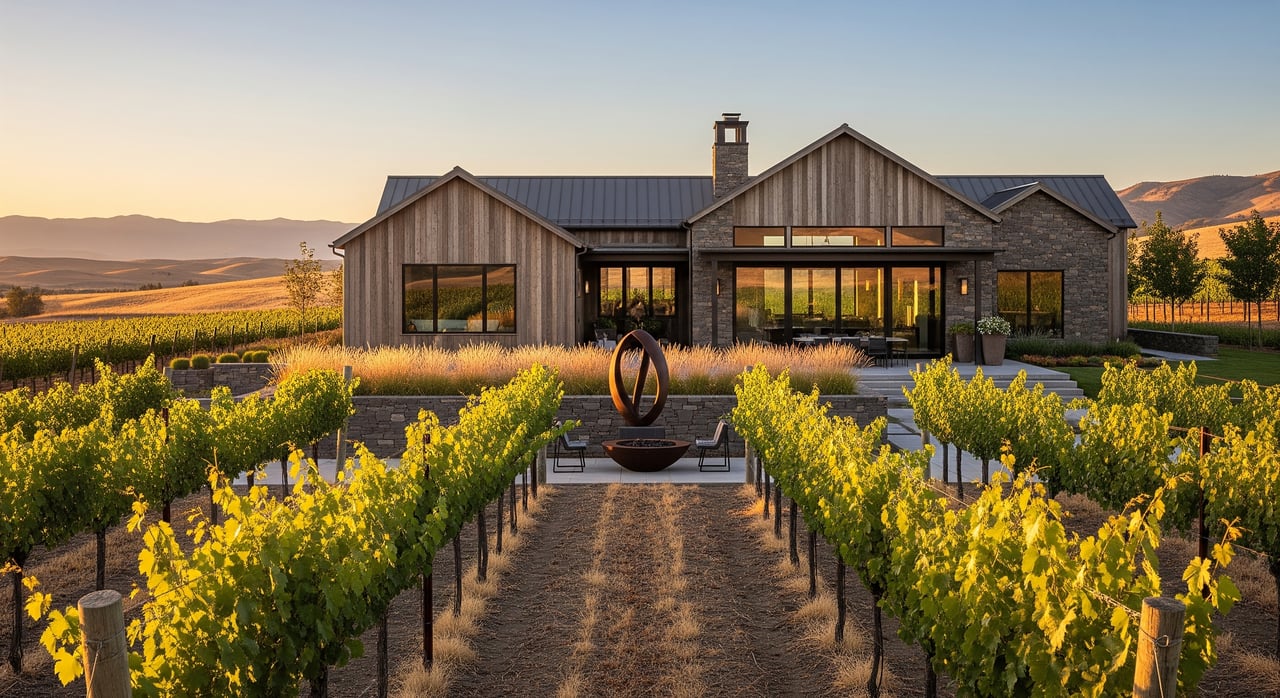
What if your daily routine included a quick coffee on Main Street, an afternoon bike ride past vineyards, and sunset views across rolling wheat fields? If you are exploring a move to Walla Walla, you are likely seeking that mix of small‑city convenience and wine‑country charm. In this guide, you will learn what day‑to‑day life looks like in Walla Walla, the housing choices you will find, and practical buyer tips for in‑town and rural living. Let’s dive in.
Why Walla Walla wine country
Walla Walla anchors a vibrant valley near the Washington–Oregon border where agriculture and winemaking shape local life. You will find a lively downtown surrounded by vineyards, wheat fields and open countryside. The area feels like a small city with a strong local food and wine culture, seasonal festivals, and a welcoming pace.
Wine is a core part of the local economy and identity. To see the breadth of wineries and tasting rooms, explore the resources from the Walla Walla Valley Wine Alliance. Tourism brings weekend energy, especially during harvest season, while education, healthcare and local services keep the city moving year‑round.
Where you might live
In‑town and walkable living
If you want to walk to cafés, tasting rooms and boutiques, look near the downtown core and the blocks around Whitman College. You will see historic homes on mature streets, smaller bungalows, and a limited number of condos. Daily errands, dining and nightlife are most accessible here, and weekend visitors keep the streets lively during peak seasons.
Suburban neighborhoods and College Place
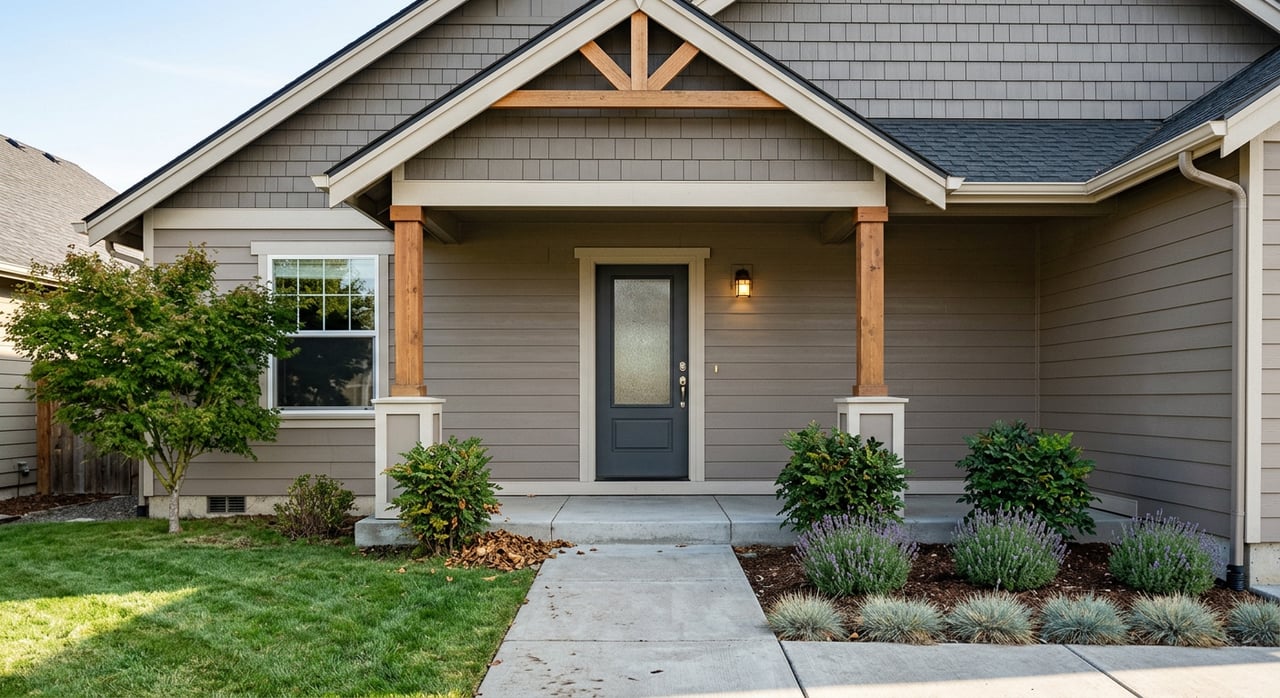
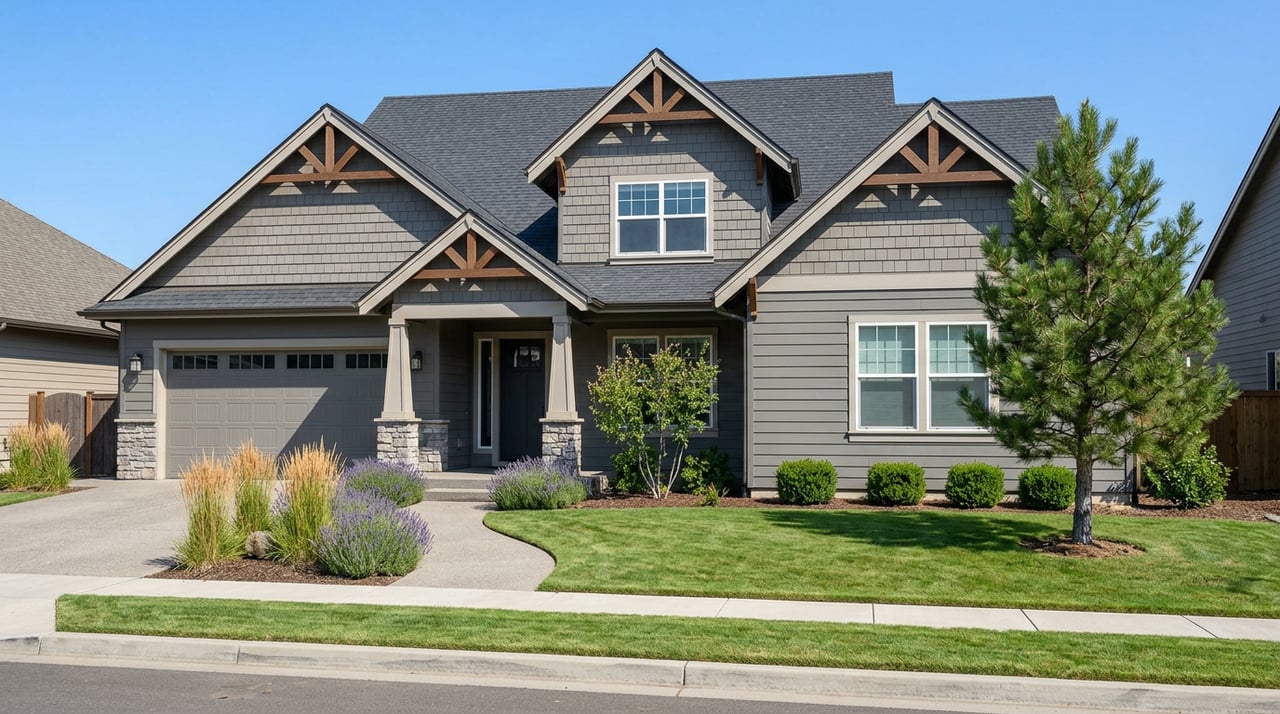
South and west Walla Walla, along with neighboring College Place, offer subdivisions with more recent construction and larger lots. This setup works if you want a bit more space while staying within a short drive to downtown. You will rely more on a car, but you still have easy access to shopping, parks and services.
Rural and vineyard properties
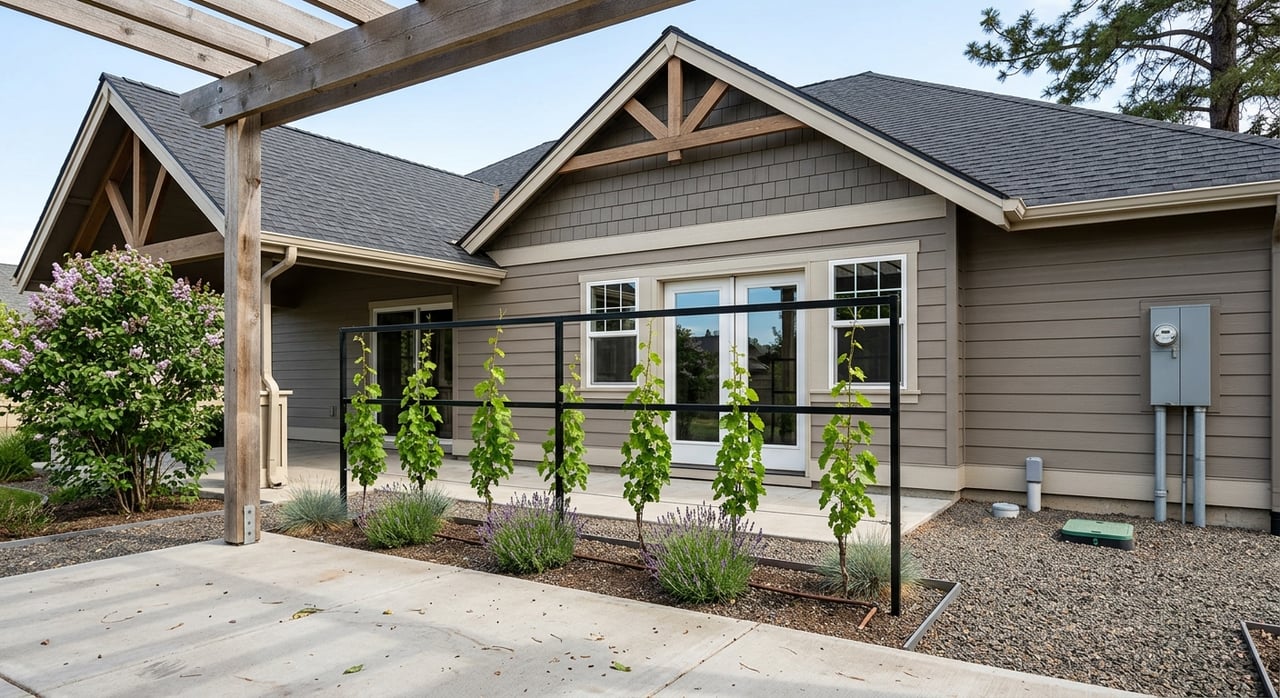
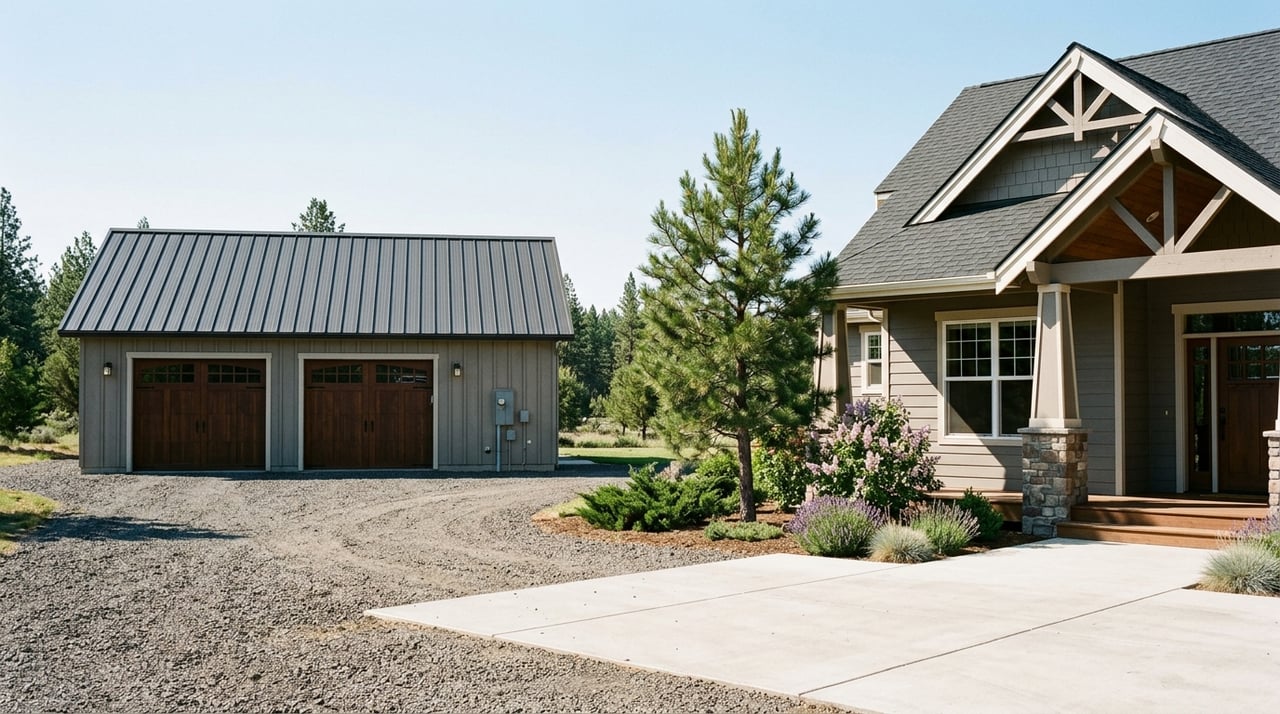
If your dream includes acreage, privacy and vineyard views, the valley’s rural outskirts deliver. Options range from hobby‑vineyard homes to larger agricultural parcels. Before you buy, confirm zoning, water rights and agricultural use rules with county agencies such as Walla Walla County. In rural areas, check for septic systems, well water, and internet options to make sure daily life fits your needs.
Housing snapshot and price bands
Housing in Walla Walla spans historic Victorians and Craftsman homes, mid‑century ranch styles, newer single‑family homes, a handful of downtown condos, and rural properties with acreage. Historically, prices have been more accessible than Washington’s coastal metros, though demand has risen with the growth of wine tourism and in‑migration.
Here is how to think about the market without quoting specific figures:
- Entry level: Smaller condos, studios or modest bungalows, including some fixers.
- Middle range: Well‑kept 2 to 4 bedroom single‑family homes in established neighborhoods or subdivisions.
- Upper tier: Renovated historic homes or properties with premium features.
- Specialty: Vineyard estates and working winery parcels that command premium pricing.
For current prices, days on market and inventory, connect for an up‑to‑the‑minute look at active listings and recent sales. Local data shifts with seasonality and new releases in subdivisions, so timely guidance matters.
Daily life and amenities
Dining and tasting rooms
Food and wine are part of daily life here. You can spend an afternoon visiting downtown tasting rooms or schedule a weekend of estate visits around the valley. To plan your stops, browse winery listings and events via the Walla Walla Valley Wine Alliance and area happenings through Visit Walla Walla.
Arts, markets and community events
You will find live music, gallery shows, and seasonal festivals that highlight local agriculture and makers. Farmers markets and wine events add weekend energy, especially in late summer and early fall. For current schedules, check the Visit Walla Walla events calendar.
Getting around
Walkability and transit
Downtown Walla Walla is the most walkable part of the valley. The blocks along Main Street and areas near Whitman College put you close to cafes, shops and services. Outside the core, most daily errands require a car. The City of Walla Walla provides information on local services, parks and transportation updates.
Regional access
Most residents drive for local commuting. Trips to nearby regional hubs are within a day’s drive, and Walla Walla has a regional airport for commercial service. If air access is important to you, verify current routes and schedules before you plan your travel routine.
Recreation and seasons
Outdoor time on your terms
The valley offers easy walking and biking routes, with rolling wheat country that is popular for cycling and photography. The nearby Blue Mountains and the Palouse add options for scenic drives, day hikes and seasonal adventures. Winter sports areas in the region are accessible for day trips, depending on conditions and your preferred terrain.
Climate to expect
Walla Walla’s semi‑arid climate brings hot, dry summers and cold winters with some snowfall. Spring and fall have variable weather, which makes shoulder season weekends great for tastings and outdoor events. In recent years, wildfire smoke has occasionally affected late summer air quality. You can review statewide resources like Washington’s Department of Natural Resources for wildfire risk maps and seasonal guidance.
In‑town vs. rural: daily life tradeoffs
Here is a simple way to compare routines so you can picture your week.
In‑town living
- Walk to dining, tasting rooms and errands.
- Short drives to work, schools and parks.
- Weekend tourism brings extra foot traffic and excitement downtown.
Suburban and College Place
- Newer construction and larger yards are common.
- Car‑dependent for errands and commuting.
- Easy access to services with a quieter residential feel.
Rural and vineyard
- Privacy, space and views with a direct connection to agriculture.
- Longer drives to groceries, healthcare and schools.
- Extra due diligence on water, septic, zoning and broadband.
Practical buyer checklist
Use this quick list to focus your search and due diligence.
- Zoning and land use: Confirm agricultural and rural rules with Walla Walla County if you want acreage or vines.
- Utilities: Verify municipal sewer vs. septic, city water vs. well, and irrigation availability.
- Internet and cell service: In rural areas, ask providers about speeds, fixed wireless or fiber availability.
- Insurance and hazards: Discuss wildfire coverage and defensible space with your insurer; review public wildfire risk maps.
- Seasonal patterns: Expect busier downtown periods during harvest and holiday weekends.
- Schools and programs: Explore district information via Walla Walla Public Schools and post‑secondary options at Whitman College.
- Healthcare access: Review regional care options and specialty services that match your needs.
- HOA and CCRs: Check subdivision rules, dues and design guidelines where applicable.
Is Walla Walla a fit for you
If you love a slower pace, strong food and wine culture, and the option to live close to downtown or out among vineyards, Walla Walla could be a great match. Daily life is straightforward, and you will find an active calendar of events when you want it and quiet open spaces when you do not. The key is choosing the neighborhood and property type that supports how you want to live week to week.
When you are ready to compare in‑town homes, subdivisions and acreage side by side, reach out for local guidance tailored to your goals. If you want a walkable block near Main Street, a newer home with a bigger yard, or the room to plant vines, you can find it here with the right plan.
Ready to start your search or get current market numbers? Connect with Lee Davidson for responsive, hands‑on guidance and a clear path from search to closing.
FAQs
Is downtown Walla Walla walkable for daily errands?
- Yes, the Main Street core and nearby blocks are the most walkable areas for cafes, tasting rooms, shops and services, especially around Whitman College.
What is the difference between in‑town and vineyard living?
- In‑town offers convenience and shorter trips, while rural and vineyard properties prioritize privacy, acreage and views with longer drives and more utility due diligence.
How does tourism affect day‑to‑day life in wine season?
- Expect busier weekends downtown during harvest and holidays, with more foot traffic, limited parking at peak times and a lively restaurant scene.
What should I check for rural parcels and acreage?
- Confirm zoning and allowed uses, water rights, septic systems, broadband options and wildfire insurance requirements before you submit an offer.
What climate and seasonal factors should I plan for?
- Summers are hot and dry, winters are cold with some snow, and late summer can bring wildfire smoke; plan outdoor activities and home maintenance accordingly.
Where can I learn about schools and local education?
- Visit Walla Walla Public Schools for district information and Whitman College for cultural and educational programming that supports the community.