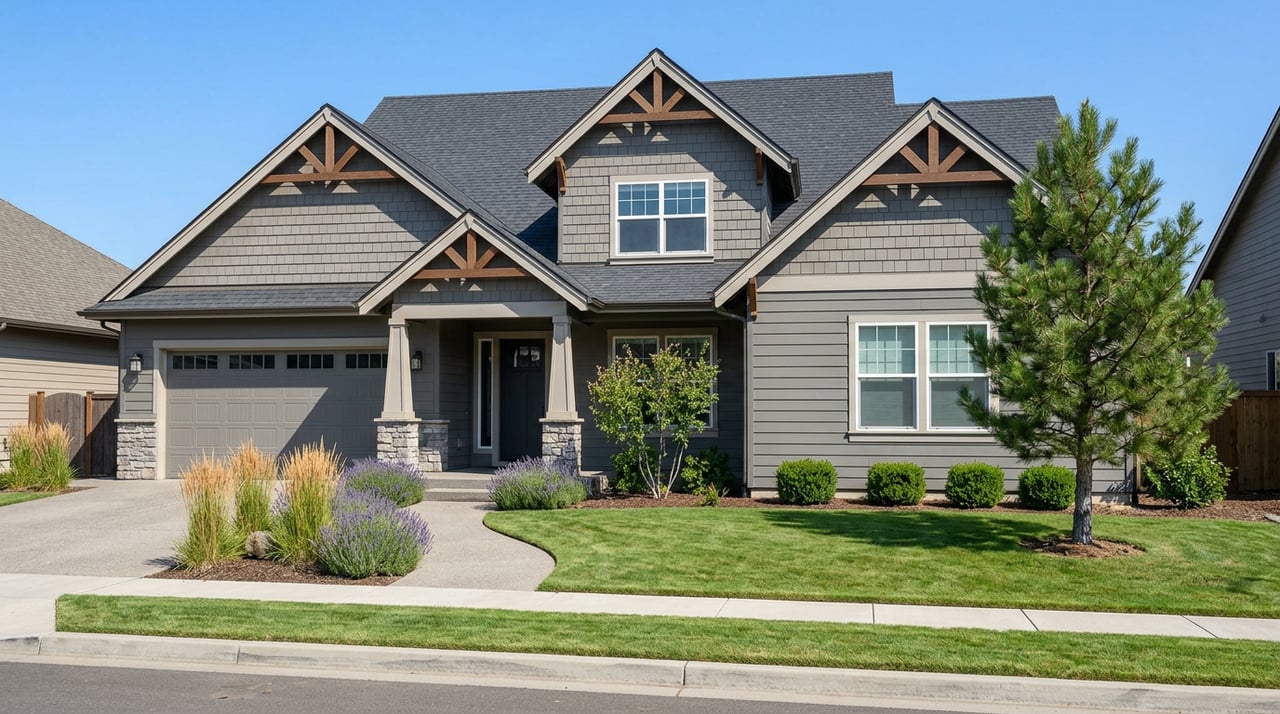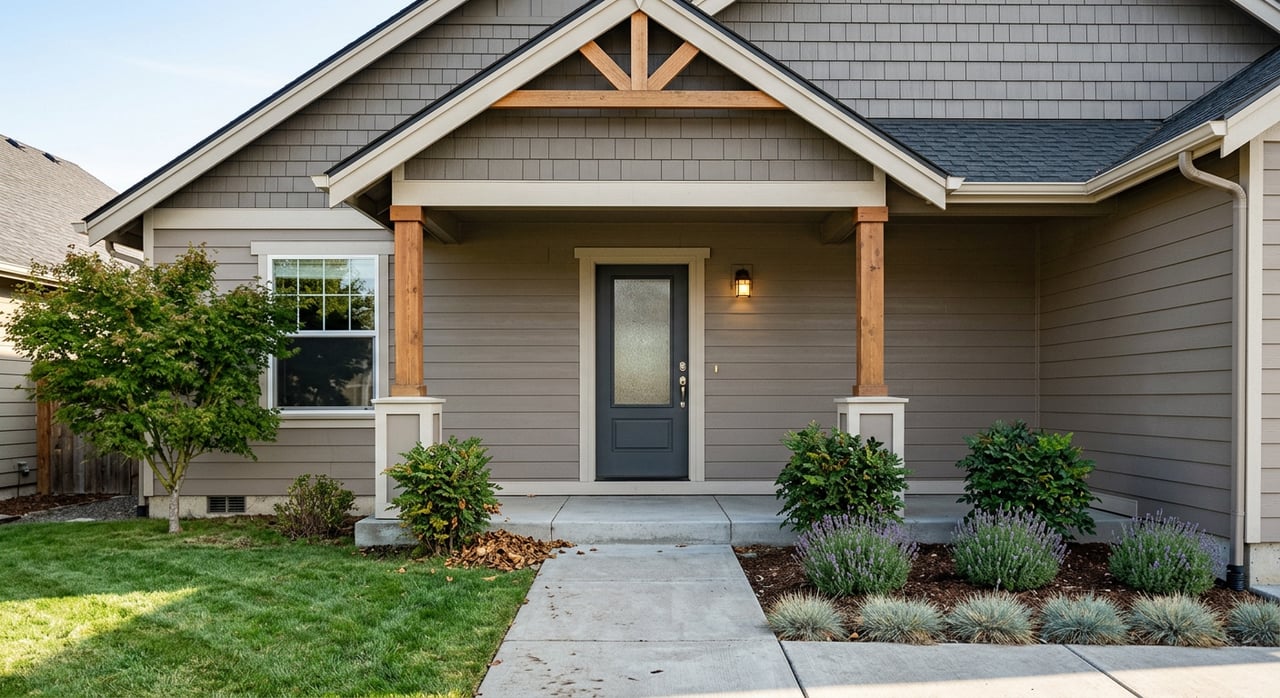
Thinking about adding a Prosser rental to your portfolio? In a small, wine‑country hub like Prosser, the right numbers and a clear plan make all the difference. This guide gives you a practical framework to evaluate demand, rents, expenses, local rules and a step‑by‑step checklist you can use before you write an offer. Let’s dive in.
Prosser at a glance
Prosser is a compact market with roughly 6,300 residents and about 2,400 housing units. It serves as the Benton County seat and a local service center, which helps support steady rental demand year‑round. You can view core demographics and housing stock details in the city’s profile on Census Reporter.
Demand drivers to know
- Agriculture, grape and wine production, and related agribusiness anchor the local economy. Wine tourism also brings seasonal activity that spills into housing needs. See local context on the Prosser community facts page.
- Prosser sits within the broader Tri‑Cities region, which expands job options and commuting patterns for renters who prefer small‑city living.
Home value context
ACS data shows a median owner‑occupied value near $314,000 in Prosser. Market data providers sometimes estimate the current market in the low‑to‑mid $300ks to low $400ks, depending on timing and method. Expect variation across platforms and always verify with live comps and a parcel‑level tax review. You can reference the ACS snapshot here: Prosser profile on Census Reporter.
Rents, vacancy and comps
Published figures can diverge in small markets, so use multiple sources when you underwrite.
- ACS/ZIP data shows median gross rent around $899 per month in 99350 and a vacancy rate near 7.6 percent. See the ACS extract via ZIP‑Codes.com for 99350.
- Aggregators sometimes show higher asking rents for 2 to 3 bedroom homes. Treat those as directional and confirm with live listings and a local property manager.
How to dial in a rent number:
- Pull 3 to 6 current listings for similar beds, baths, and condition in Prosser and nearby Tri‑Cities neighborhoods with similar housing stock.
- Call two local property managers for their recent lease‑ups and expected time‑to‑rent for your property type.
- Adjust for unit condition, parking, yard space and recent updates.
Expenses to model accurately
Use line items rather than a single percentage whenever possible. At a minimum, underwrite these categories:
- Mortgage principal and interest based on your finance terms.
- Property taxes. As a rough county‑level indicator, Benton County’s effective property tax burden tends to land near about 1 percent of market value, but exact levies vary by parcel and district. Start with an estimate, then verify on the parcel. See county‑level context from Ownwell’s Benton County trends.
- Insurance. Washington’s average homeowners premium is often used as a baseline, but landlord policies differ. Budget for liability and loss‑of‑rent endorsements where needed.
- Property management. Full‑service fees in many markets run about 8 to 12 percent of collected rent, plus a leasing fee around half to one month of rent. Get a local quote and ask for a sample owner statement.
- Repairs and maintenance. Budget a monthly reserve for routine fixes.
- Capital expenditures. Roof, HVAC, appliances and major systems need replacement on cycles. Set an annual CapEx reserve.
- Vacancy and turnover. In small markets, a 3 to 10 percent vacancy allowance is common, then refine once you confirm actual occupancy.
- Utilities, landscaping and snow/ice services, if owner‑paid.
- Local licensing and business registration if required.
Quick screens and core metrics
Screen fast, then verify with line‑item math.
The 50 percent rule
As a quick filter, assume about 50 percent of gross rent will go to operating expenses, excluding mortgage. If the deal still looks decent under this conservative screen, build a full pro forma.
The 1 percent rule
Monthly rent near 1 percent of purchase price is a rough screen, but it is often unrealistic in many markets. Use it only to triage, not to decide.
Cap rate, GRM and cash‑on‑cash
- Compute Net Operating Income, then divide by price for a cap rate.
- Calculate Gross Rent Multiplier by dividing price by annual gross rent.
- Model cash‑on‑cash using your down payment, closing costs, interest rate and reserves.
Want a simple calculator to test scenarios? Try the BiggerPockets rental property calculator and stress‑test with higher vacancy and maintenance.
Washington rules that affect returns
Rent increases and HB 1217
In 2025, Washington adopted rent stabilization statewide. Under HB 1217, the Department of Commerce publishes an annual maximum rent increase and sets notice and documentation rules for landlords. Before planning renewals, confirm the current year’s limit and any exemptions using the Washington Department of Commerce resource center.
Landlord‑tenant basics in RCW Title 59
Washington’s Residential Landlord‑Tenant Act covers deposits, disclosures, entry, repairs and notice timelines. To collect a deposit, you need a written rental agreement and a signed move‑in condition checklist. Review the statute text in RCW Title 59 and make sure your forms match current requirements.
ADUs, licensing and local permits
Prosser’s Housing Action Plan highlights accessory dwelling units and outlines policy work to clarify local ADU rules. The city also maintains a fee schedule that lists ADU permit fees and a Business Registration fee. Check with the planning counter before assuming you can add or convert an ADU, and confirm whether you need a local business license to operate your rental. See the Housing Action Plan and the city’s Fee Schedule.
Mortgage occupancy and conversions
If you plan to convert your current home to a rental, review your loan documents. Many FHA, VA and some conventional loans require a period of owner‑occupancy before renting. Check with your servicer before you change use.
Short‑term rentals and HOA rules
HOAs may limit rentals or set minimum lease terms. Prosser has discussed short‑term rentals within its tourism strategy. Policies can change, so confirm current rules with the city and your HOA. You can start by reviewing the Housing Action Plan and then contacting the planning department.
Step‑by‑step checklist before you offer
Pull parcel tax history and assessed values for the last two to three years from the Benton County Assessor/Treasurer. Start here: Benton County tax information.
Gather rent comps for your bed/bath and property type in Prosser and nearby Tri‑Cities neighborhoods with similar stock. Use live listings and call two property managers for recent lease data.
Request a property‑management proposal. Ask for monthly fee, leasing fee, vendor policies and a sample owner statement. Model both self‑management and full‑service.
Review your mortgage for owner‑occupancy requirements and talk with your servicer about timing and documentation if you plan to convert a primary residence to a rental.
Confirm city licensing and any rental registration requirements. If you plan an ADU or a conversion, verify permit steps and fees with the planning counter. Reference the Prosser Fee Schedule.
Order an inspection and build a turnover scope. Set monthly reserves for routine repairs and annual reserves for big‑ticket CapEx.
Model expenses line by line. Use your parcel’s tax history, a current insurance quote, your management proposal and a realistic vacancy allowance.
Run GRM, NOI, cap rate and cash‑on‑cash. Stress‑test with higher maintenance and a longer leasing period using a simple tool like the BiggerPockets calculator.
Plan your renewal timeline around Washington’s rent‑increase cap and notice rules. Confirm the current maximum increase and required notice using the Department of Commerce HB 1217 page.
Recheck fit with your goals. If the deal still works after stress tests and compliance checks, proceed to offer with clear contingencies.
What a strong Prosser rental looks like
- Simple systems and recent mechanicals to limit early CapEx.
- Off‑street parking and usable outdoor space that appeal to many renters.
- Floor plans that fit a range of households and lifestyles.
- Proximity to everyday services in town and reasonable access to Tri‑Cities job centers.
- Potential for added value, such as an ADU where zoning allows and the numbers pencil.
Ready to evaluate a Prosser rental or convert your current home? Get local comps, parcel‑level insights and a clear plan with Lee Davidson. Let’s Connect.
FAQs
What are typical Prosser rents right now?
- ACS/ZIP data shows median gross rent around $899 per month in 99350, but individual 2 to 3 bedroom homes may lease higher based on condition and location; confirm with live comps and a local manager using the ZIP‑Codes ACS extract.
How does Washington’s rent cap affect Prosser leases?
- Under HB 1217, the state sets an annual maximum increase and notice rules; always check the current year’s limit and any exemptions on the Department of Commerce resource.
What should I budget for property taxes in Prosser?
- Use parcel history for accuracy, but a rough county‑level indicator is around 1 percent of market value; verify your specific levy and assessment, starting with Benton County’s tax information and county context from Ownwell’s Benton County page.
Do I need a local business license to rent a home in Prosser?
- Many owners will need a business registration; check current requirements and fees in the city’s Fee Schedule and confirm with the planning counter.
Can I add an ADU to a Prosser property?
- Prosser’s Housing Action Plan addresses ADUs and recommends code updates; always verify zoning, permit steps and fees with the city before planning an ADU using the Housing Action Plan.