If you love the idea of walking out your door to fairway views, trail access, and a well‑kept neighborhood, Horn Rapids could be a strong fit. You also want clear facts before you buy, like what HOA dues actually cover, how golf access works, and what homes cost right now. In this guide, you’ll get a practical picture of life in Horn Rapids, including amenities, home types, fees, and smart steps to take before you write an offer. Let’s dive in.
Where Horn Rapids sits and how it lives
Horn Rapids is a master‑planned, golf‑course community on the northwest edge of Richland along SR‑240. The master HOA identifies the footprint at roughly 835 acres with more than 1,400 residential units built and plans that could reach about 2,000 at full buildout. You’ll see a maintained look, shared amenities, and a mix of established streets and active new‑build phases. You can confirm the master plan and HOA structure on the Horn Rapids Master Planned HOA site.
A quick postal note can save confusion. Most Horn Rapids addresses and HOA contacts use Richland 99354. The nearby 99353 ZIP for West Richland is adjacent and shows up in searches, so verify the listing’s parcel and exact ZIP in the MLS or county records during your purchase process.
Golf, trails, and daily amenities
The course at your doorstep
Horn Rapids revolves around an 18‑hole links‑style course that is privately owned but open to public play. It is a par‑72 layout with back tees near 6,900 to 7,000 yards, plus a pro shop, driving range, and clubhouse grill. Golf membership is a separate product and is not part of HOA membership, so confirm any seller claims about club privileges directly with the course. You can review course details on the Horn Rapids Golf Course site.
HOA and neighborhood perks
Residents enjoy community features that commonly include a pool, clubhouse, tennis and pickleball courts, picnic shelter areas, miles of walking paths, and landscaped common spaces. Some sub‑neighborhoods also reference RV parking or storage through HOA arrangements. Because Horn Rapids uses a master HOA plus multiple sub‑associations, verify which amenities are operated by the master HOA versus those reserved for a specific phase. The master HOA site provides governance info and sub‑community documents.
Trails, river access, and outdoor time
If you enjoy hiking, paddling, or birding, the Tapteal Trail network runs near Horn Rapids with access along the Yakima and Columbia rivers. You’ll also find a nearby boat launch area connected to the system, which adds a scenic outdoor layer to daily life. For a map and background on the trail system, visit the Tapteal Trail overview.
What homes look like and cost today
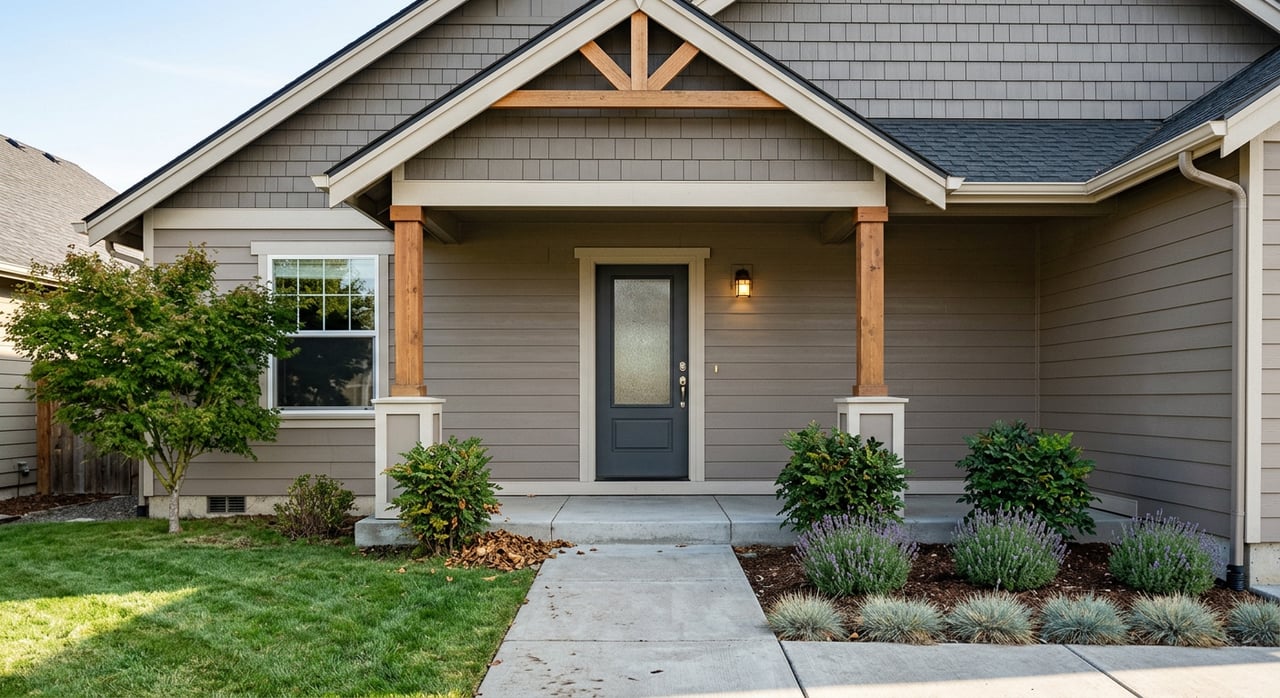
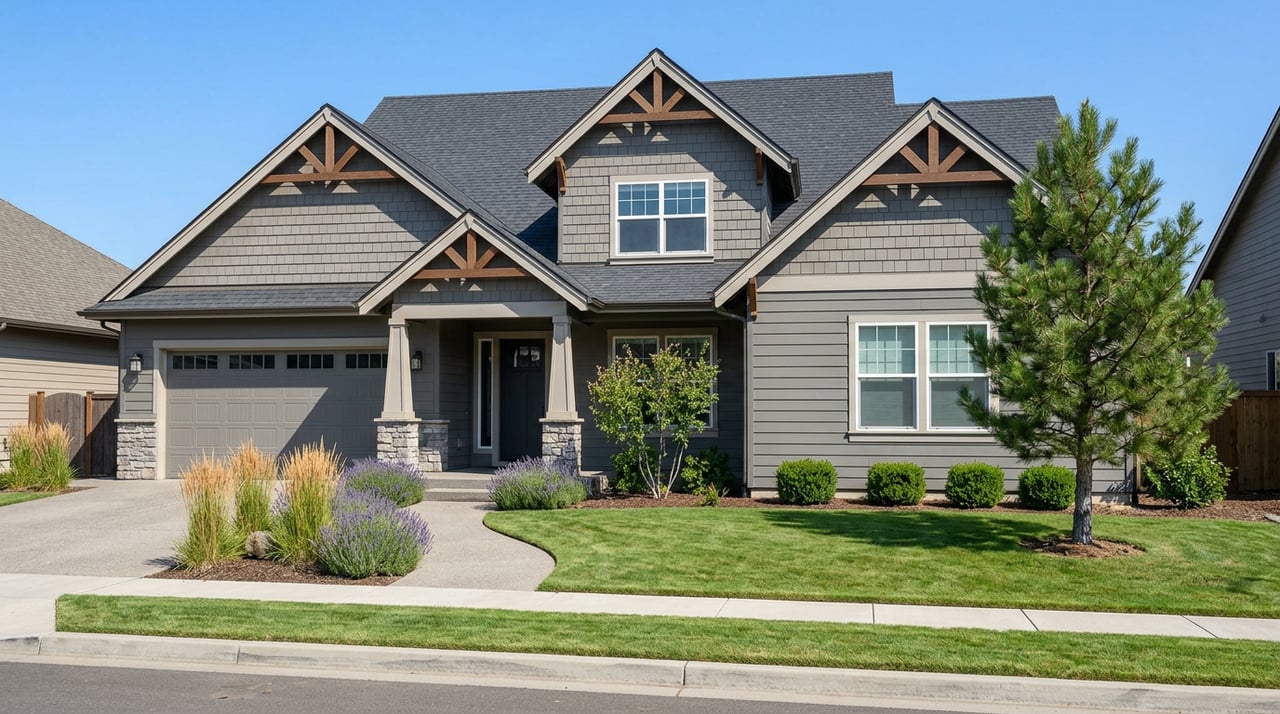
Horn Rapids includes established sections with homes from the 1990s and 2000s along with active new construction. Typical single‑family homes in recent MLS examples range from about 1,900 to 3,200+ square feet with 3 to 5 bedrooms and lot sizes commonly around 7,800 to 10,000+ square feet. You’ll see many open‑plan kitchens with stone counters, a mix of heat pump or gas systems, main‑level primary suites in many plans, and well‑landscaped yards. Golf‑course and bluff views are common in certain pockets.
Builders continue to add inventory, especially in Quail Ridge and remaining Horn Rapids acreage. Cedar Coast and Pahlisch Homes are active, and developer pages highlight new homes plus a private amenity cluster for that sub‑phase. If you are buying new, confirm what is completed today versus planned for a future phase. Explore current development context on Cedar Coast’s Horn Rapids project page.
Based on recent listings, many single‑family homes in Horn Rapids have been offered roughly in the 450,000 to 750,000 dollar range depending on age, size, and whether the lot faces the fairway or bluff. New‑build plans in Quail Ridge often price in the mid‑500s to mid‑600s. Treat this as a snapshot and expect normal market shifts.
HOA structure, rules, and fees to expect
Horn Rapids is governed by a master homeowners association along with multiple recorded sub‑associations such as The Bluffs, Crosswater, Quail Ridge, Sawgrass, Sedona, and others. New owners become members of the master HOA at closing, and some sub‑areas have their own supplemental rules and fee structures. Always request the master CC&Rs, bylaws, rules and regulations, and the recorded sub‑neighborhood CC&Rs for your specific lot. The HOA website lists many of these resources.
MLS entries commonly report master HOA dues near 580 dollars per year, often shown as 145 dollars quarterly or roughly 48 dollars per month. Some listings show 0 dollars due to missing fields or different sub‑association handling, which is why you should not rely on MLS alone. Ask for the HOA resale or estoppel certificate for the exact dues, billing schedule, what is included, and any pending assessments.
What dues typically cover in Horn Rapids can include common‑area landscaping, pool and clubhouse upkeep, tennis and pickleball courts, trail and park maintenance, and insurance for common areas. Services can vary by sub‑association, which is why document review matters. Washington sellers must disclose HOA membership and assessments, and state laws govern HOA operations. You can review the seller disclosure statute (RCW 64.06) at wa‑law.org as general background.
Buyer due‑diligence checklist
Before you waive any HOA document review, request a complete resale package and confirm details in writing. Key items to ask for and review:
- Resale or estoppel certificate that states current dues, transfer fees, and any unpaid assessments.
- Master CC&Rs, bylaws, rules and regulations, plus any sub‑community CC&Rs for your lot. Many are posted on the master HOA site.
- The most recent annual budget, current balance sheet, bank statements for operating and reserve accounts, and the latest reserve study. Watch for low reserves, high delinquency rates, or recent special assessments.
- Meeting minutes for the last 12 months. Look for discussion of capital projects, deferred maintenance, vendor disputes, or litigation.
- Master insurance policy declarations and deductibles, and what your homeowner policy must cover beyond the HOA policy.
- Architectural Control Committee (ACC) guidelines and recent decisions if you plan exterior work. The ACC process is referenced on the HOA site.
- A clear list of what dues do and do not include, and whether any amenities are still in the builder’s plan phase. If you are considering a new‑build, confirm amenity timing with the developer and HOA. The Cedar Coast project page is a good starting point for context.
- Golf access specifics. The course is privately operated and public, and golf membership is typically separate from HOA dues. Confirm any privileges with the club listed on the course website.
Offer and negotiation tips
Act early on documents. After you reach mutual acceptance, order the HOA resale package immediately or make its delivery and review a condition of your contract, since management often needs time to produce it. You can find HOA contacts on the Horn Rapids HOA site.
Use the seller disclosure and the HOA estoppel together. Confirm there are no undisclosed special assessments or pending litigation and reconcile MLS fee entries with the HOA’s current figures. For statutory context, review RCW 64.06 at wa‑law.org.
If you are eyeing a golf‑front lot, ask for any recorded easements or buffers between the backyard and the fairway. Consider an inspection that includes a boundary check and ask your insurer about coverage related to errant golf balls. If you are buying in a newer sub‑phase, verify rental rules, pet policies, and vehicle or RV storage standards that could affect your plans or future resale.
Budget and resale outlook
Plan your full monthly and annual budget. Include mortgage, property taxes, homeowners insurance, master HOA dues, any sub‑association dues, utilities, and a contingency for special assessments. Benton County property taxes have standard due dates in spring and fall; you can confirm schedule details at the county portal for parcels and payments on the Benton County property tax page.
From a resale standpoint, many buyers value master‑planned golf communities for their maintained look and shared amenities. At the same time, strict rules or higher HOA fees can narrow the buyer pool. Weigh the day‑to‑day value you get from pools, trails, courts, and landscaping against the ongoing dues and any restrictions. Your agent can help you review the HOA financials and rules so you make a confident decision.
Health and environment context
Horn Rapids is part of the broader Tri‑Cities region that includes the Hanford Site, a long‑term federal cleanup project with active remediation and monitoring. State and federal agencies provide public updates and data on environmental and public‑health metrics. If you want the latest official information, start with the U.S. Department of Energy’s Hanford Site page and follow links to current reports and community communications.
How a local expert helps you buy here
Buying in a master‑planned golf community comes down to knowing the sub‑neighborhoods, reading HOA documents with care, and moving quickly when the right home appears. With local knowledge across Richland and the Tri‑Cities, responsive communication, and hands‑on transaction management, you get clear guidance from search to closing. If you are ready to tour homes or want a second opinion on HOA documents and offer strategy, connect with Lee Davidson to plan your next steps.
FAQs
Does the Horn Rapids HOA include golf membership?
- No. The golf course is privately operated and open to the public, so golf membership is separate from HOA dues. Confirm any privileges with the club directly.
What are typical Horn Rapids HOA dues and what do they cover?
- Recent listings commonly show about 580 dollars per year for the master HOA, covering common‑area landscaping, pool and clubhouse upkeep, courts, trails, and insurance for shared areas.
Are there RV storage options inside Horn Rapids?
- Some sub‑neighborhoods reference RV parking or storage through HOA arrangements, but availability and rules vary. Verify access and any fees in the resale documents.
Which schools serve Horn Rapids and how do I confirm?
- Properties are generally served by the Richland School District, but attendance boundaries vary. Confirm the specific school assignments for the parcel during your review.
What price range should I expect for Horn Rapids homes?
- Recent MLS examples often range from about 450,000 to 750,000 dollars, with new‑builds in Quail Ridge frequently in the mid‑500s to mid‑600s, depending on size and location.
What should I know about the 99353 vs. 99354 ZIP when searching?
- Most Horn Rapids addresses use Richland 99354, while 99353 covers adjacent West Richland areas. Verify the parcel ID and ZIP in MLS or county records before making an offer.
How close is Horn Rapids to trails and the river?
- The Tapteal Trail system runs near the community with connections to Yakima and Columbia river access points and a nearby boat launch, which supports paddling and birding.
Is the Horn Rapids course private or public?
- It is a privately owned course that allows public play, with a pro shop, driving range, and clubhouse. Memberships and programs are handled by the course, not the HOA.