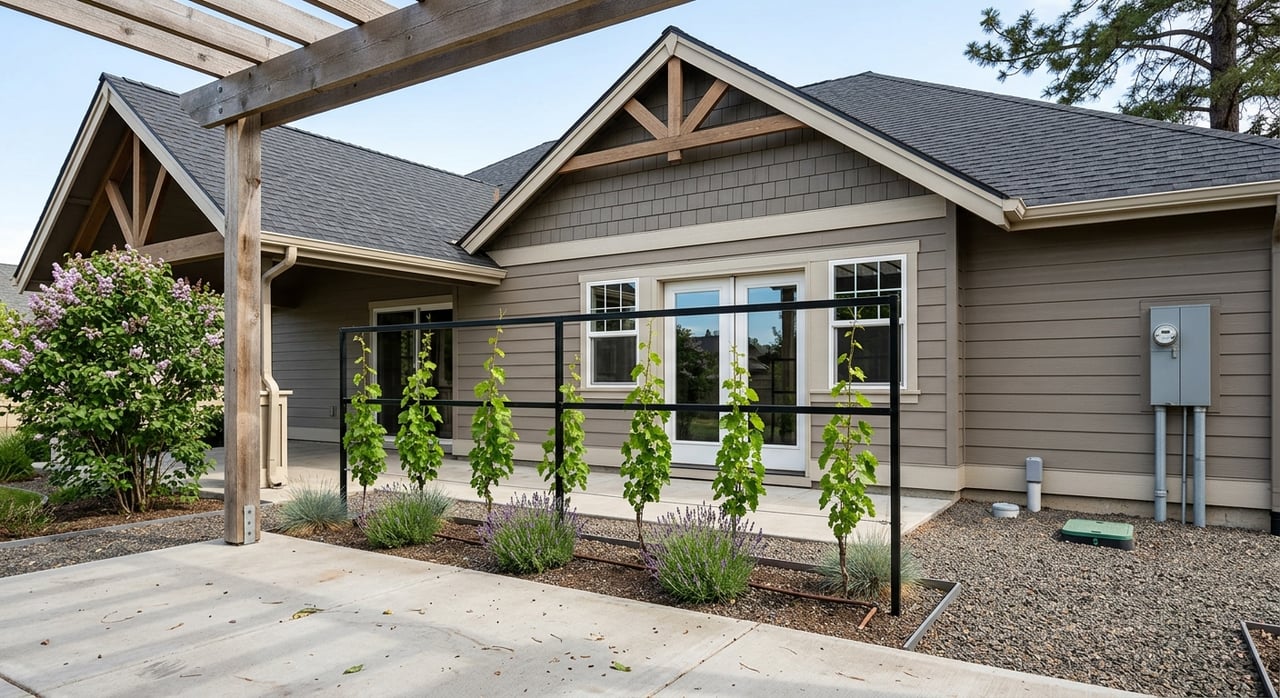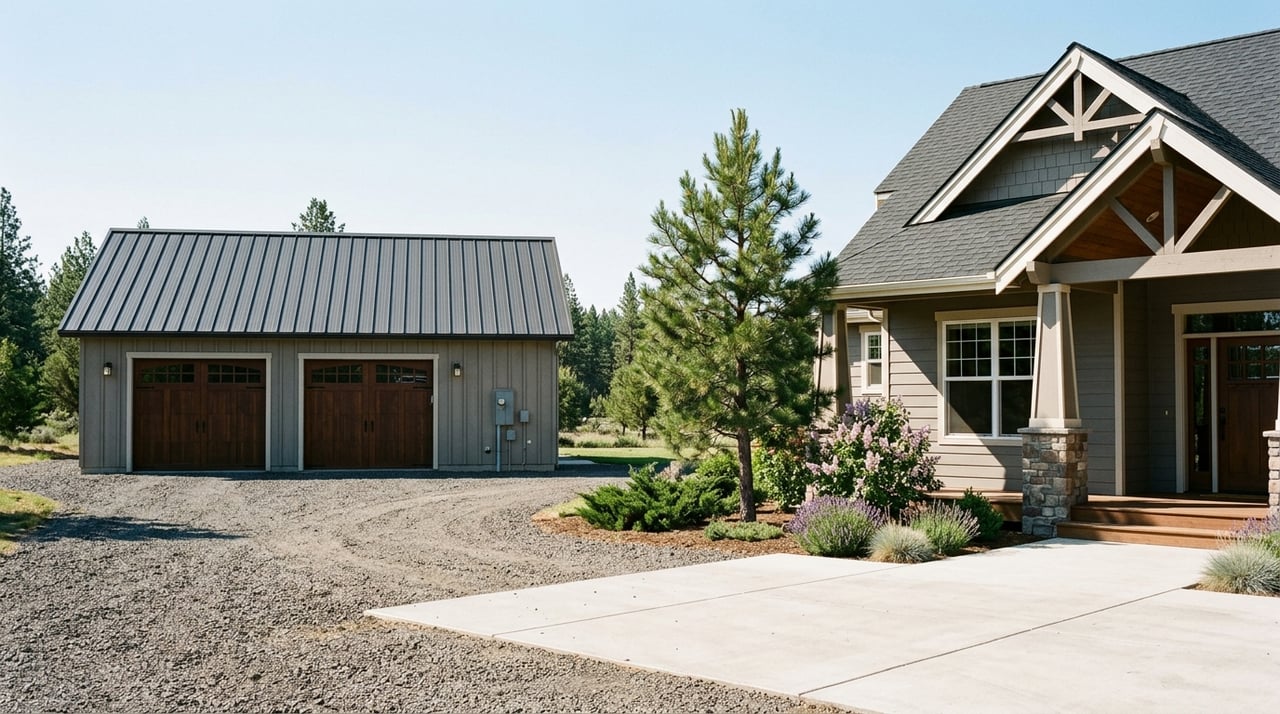
Thinking about buying your first acreage property in Finley? It can be an exciting step, but it also comes with a different set of questions than buying a typical in-town home. When you buy acreage, you are not just evaluating the house. You are also looking at access, utilities, zoning, septic, water, and how you plan to use the land. This guide will help you focus on the right details early so you can move forward with more confidence. Let’s dive in.
Why Finley acreage feels different
Finley is a census-designated place in Benton County with a 2020 population of 6,152, and the U.S. Census reports that 83.0% of housing units were owner-occupied in 2020-2024. Benton County also has a strong agricultural footprint, with county planning materials noting about 703,505 acres of privately owned land classified as agricultural. That context matters because acreage properties in Finley often function more like rural parcels than standard neighborhood lots.
If you are a first-time acreage buyer, this means your due diligence needs to go beyond the home itself. In unincorporated areas around Finley, Benton County Planning oversees land use, zoning, setbacks, and related parcel rules. Each property can have a different mix of opportunities and limitations.
Start with the parcel, not just the house
Acreage shopping can be fun because the possibilities feel wide open. You may picture a shop, barn, garden space, guest unit, or simply extra elbow room. Before you get attached to those plans, check what the parcel actually allows.
Benton County says the official zoning information and zoning map identify each parcel’s classification and the rules tied to it. Those rules can govern permitted uses, lot size and density, building height, setbacks, building size, and parking standards. In other words, two properties that look similar online may have very different development options.
Know Finley zoning basics
Zoning in unincorporated Benton County can include districts such as Rural Lands One Acre, Rural Lands Five Acre, Rural Lands Twenty Acre, and GMA Agricultural. That is why it is so important to verify the actual parcel classification instead of assuming what is allowed based on appearance or acreage size alone.
For first-time buyers, the big takeaway is simple: ask what the zoning allows today, not what someone hopes it allows later. If you want flexibility for outbuildings or future expansion, verify it before you write your offer or during your inspection period.
Check legal access early
One of the most important acreage questions is also one of the easiest to overlook: how do you legally and physically access the property? A long driveway, private lane, or county road connection can all affect your plans.
Benton County requires a road approach permit in several situations, including construction of a dwelling or accessory dwelling, placement or replacement of a manufactured home, certain larger additions, and some commercial, agricultural, or accessory structures. The county also notes a 180-day limit on road approach permits. If you are planning future improvements, that timing and permit requirement matters.
The county’s addressing system information also notes that addresses are not official and can change when a building permit is applied for. That is a good reminder to confirm the legal access route, the actual driveway location, and the posted address early in the process.
Verify utilities before closing
Acreage properties can vary a lot when it comes to utility service. One parcel may already be fully connected, while another may need more research, upgrades, or extension work.
For electric service, Benton PUD serves Finley along with other parts of Benton County. Even so, you should still verify whether the specific parcel is already connected, where the meter is located, and whether any additional work is needed.
For water and wastewater, your checklist may be more detailed. The Benton-Franklin Health District permits, oversees installation, and inspects on-site septic systems with flows under 3,500 gallons per day. If the property has septic, ask for permits, inspection records, and the location of the tank and drainfield.
If the home uses a private well, water quality matters just as much as water availability. The Washington Department of Health notes changing septic-transfer requirements beginning February 1, 2027, and state guidance also recommends regular testing for private wells, including coliform bacteria and nitrate. During your inspection period, request current water-test results and any available well records.
Think ahead about shops, barns, and ADUs
Many buyers choose acreage because they want more usable land. That could mean space for storage, hobby use, agricultural use, or a future guest setup. The key is making sure the parcel supports those plans.
Benton County materials state that attached and detached accessory dwelling units are allowed in the county, but placement and size rules still apply. The county’s setback guidance also shows that rural accessory structures can be limited by property lines, access easements, and road setbacks.
For example, county setback materials note that barns, barnyards, and corrals are generally set back at least 75 feet from public roads or highways, while other accessory structures must still respect parcel-specific setbacks and easements. Because site conditions and zoning can vary, use this as a prompt to verify the current rules for the exact property you are considering.
Do not skip floodplain review
If a Finley acreage property sits near water or in low-lying land, floodplain review should be part of your due diligence. This is especially important for parcels with drainage concerns or river-adjacent locations.
Benton County’s critical-areas ordinance uses FEMA flood-hazard classifications for frequently flooded areas, and the county advises buyers to contact Planning to confirm whether a property is in the flood plain. If floodplain status affects financing, insurance, future building plans, or how you want to use the land, you will want those answers as early as possible.
Watch for unpermitted improvements
Acreage properties sometimes include older shops, additions, driveways, fences, grading work, or other improvements that may not match the available records. That does not always mean there is a problem, but it does mean you should verify what was properly permitted.
According to Benton County, code enforcement handles issues such as construction without a permit, grading, excavation or filling, right-of-way construction, shoreline violations, and zoning code violations. If something looks questionable, investigate it before closing rather than assuming it will sort itself out later.
Pull the right records before you buy
The listing sheet is only the starting point for acreage. County records often tell a more complete story about what you are buying.
Benton County’s Assessor’s Office says taxable real and personal property are assessed at 100% of fair market value, values are updated annually based on market sales, and parcel maps are maintained for all parcels. The county also points buyers to public records and recorded document search tools for land records.
A strong first-time buyer review usually includes:
- The county property record card
- The official zoning map
- Recorded easements
- Septic permits and inspection history
- Well records or current water-test results
- Floodplain or critical-area information
- Access details tied to the road or driveway
A simple due diligence order
When you are buying acreage for the first time, it helps to review things in a practical sequence. That way, you can catch major issues before spending time on smaller details.
Here is a smart order to follow in Finley:
- Verify zoning on the official map.
- Confirm road access and any road-approach permit concerns.
- Review septic and well documentation.
- Check floodplain or other critical-area overlays.
- Compare county records with the listing details and title information.
This process can save you from surprises and help you make a more informed decision. It also gives you better questions to ask while you are still within your contingency timelines.
Why local guidance matters
Buying acreage in Finley often means dealing with several offices, not just one. You may need Planning for zoning and setbacks, Public Works for access questions, the health district for septic records, state guidance for well testing, and county offices for parcel maps or recorded documents.
That is where local, detail-oriented guidance can make a real difference. When you have someone helping you stay organized and ask the right questions in the right order, the process feels much more manageable. If you are thinking about buying land or acreage in Finley, Lee Davidson can help you navigate the details and move forward with confidence.
FAQs
What should first-time acreage buyers in Finley check first?
- Start with zoning, legal access, utility service, septic or well documentation, and floodplain status so you understand the parcel before focusing only on the home.
Do acreage properties in Finley follow city rules?
- Many acreage properties around Finley are in unincorporated Benton County, so county rules for zoning, setbacks, permits, and land use typically apply.
Can you build a shop or barn on a Finley acreage property?
- Possibly, but the answer depends on the parcel’s zoning, setbacks, easements, and whether access or permit review is required.
Do you need to inspect septic systems when buying acreage in Finley?
- If the property has an on-site septic system, you should review permits, records, and inspection details during your due diligence period.
Why does road access matter for acreage in Finley?
- Access affects how you use the property now and later, and Benton County may require a road approach permit for certain types of construction or improvements.