If you picture Burbank as a standard suburban neighborhood, you may be surprised by what you actually find. This part of Walla Walla County is shaped by the Snake River, working land, highway access, and a wide mix of parcel types, so your day-to-day experience can look very different from one property to the next. If you are thinking about buying acreage, land, or a home near the river, it helps to know what ownership really looks like here. Let’s dive in.
Burbank offers a different kind of lifestyle
Burbank stands out because it is tied closely to the lower Snake River corridor and an agricultural setting. The appeal is not about dense subdivisions or a classic in-town grid. Instead, many buyers are drawn to open space, river proximity, and the feel of living near water, roads, utility districts, and working parcels.
That matters because buying in Burbank is often less about choosing a house alone and more about choosing a setup. You may be evaluating access, land use, utilities, and surrounding property types just as much as square footage or finishes.
Acreage in Burbank can mean very different things
One of the biggest takeaways in Burbank is that “acreage” is not one simple category. County records show a mix that includes small platted residential lots, larger rural tracts, and even commercial or industrial-adjacent land.
For example, one parcel on Second Avenue is about 0.1980 acres, which shows that some Burbank properties are compact homesites rather than wide-open land. At the other end, a Sundance Road parcel is listed at 5.5807 acres of dry land pasture, which reflects a very different kind of ownership and use.
Small lots, pasture, and business-park land
This range is important because each parcel type tends to live differently. A small in-town lot may function more like a traditional residential property, while a pasture tract may depend heavily on access, current use, and improvements. A parcel near business or port-related land may also come with a different surrounding environment than a buyer expects.
County records also show multiple parcels in the Burbank Business Park under the Port of Walla Walla. That is a reminder that Burbank is not purely residential. Depending on where you buy, nearby uses can include port property, industrial parcels, or utility infrastructure.
River living is practical as much as scenic
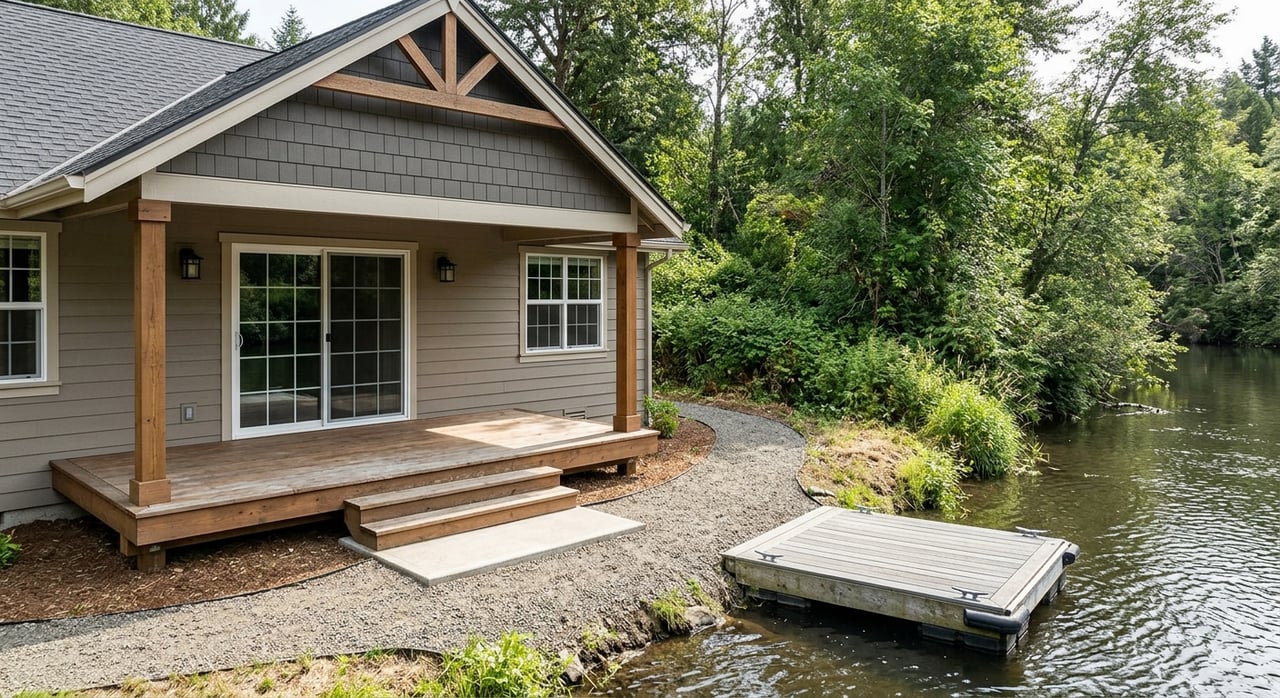
Living near the river in Burbank can be beautiful, but it is also practical. The Snake River is part of the area's identity, and Washington Department of Fish and Wildlife materials point to access at Couse Creek for boating and fishing.
That means river living here is not only about views. It is also about understanding how you will actually use the water, where public access exists, and whether your property is directly on the river, near it, or simply benefits from the setting.
Not every river-adjacent property lives the same
Two homes can both be described as “near the river” and still offer very different experiences. One may have easier access to public launch facilities, while another may be defined more by proximity than by direct usability.
It also helps to remember that this is an active, regulated water corridor tied to fisheries, hydropower, transport, and irrigation. So when you look at river-oriented property, the questions are often practical: access, conditions, seasonality, and how the parcel relates to the shoreline.
Utilities are a major part of acreage buying
In Burbank, utility setup is one of the biggest factors that can shape both your costs and your day-to-day routine. Some properties rely on formal public water infrastructure, while others may involve a private well or a different combination of services.
A 2025 SEPA filing from the Washington Department of Ecology describes improvements for the Port of Walla Walla’s Burbank Water System, including expanded reservoir capacity to 1,000,000 gallons. At the same time, Walla Walla County health documents show that properties in the area may be set up with septic and a private well, or septic with public water.
Water service should be confirmed early
Before you get too far into a purchase, it is smart to confirm exactly how a parcel is served. Public water, private well service, or a community system can each create a different ownership experience.
This is especially important on acreage, where assumptions can be expensive. Two nearby properties may look similar on a map but have very different utility arrangements.
Septic details matter too
Sewer service is not a given on rural or river-adjacent land. County health paperwork makes clear that septic approval and intended use should be reviewed carefully.
If you are considering a home, vacant land, or a parcel with future plans, septic questions should be part of your early diligence. What is approved today may shape what is realistic tomorrow.
Carrying costs can be more layered than expected
The list price is only one part of the ownership picture in Burbank. Taxes and district-related charges can add more detail to the true cost of holding a property.
For example, a small Second Avenue lot had 2026 taxes of $618.14, and the levy list included charges tied to the fire district, school district, county road, library, port, Burbank drinking-water district, and Columbia mosquito control. Even modest parcels can come with multiple assessments beyond what buyers first expect.
Acreage may be taxed differently
Larger land parcels can have a very different tax structure from a standard homesite. The 5.5807-acre Sundance Road pasture parcel showed a land market value of $2,200 and a taxable value of $0 in the record cited, which illustrates how current-use or exemption treatment can change carrying costs.
That does not mean every acreage property will be inexpensive to hold. It does mean you should check the parcel’s assessment status early so you understand what you are buying and how those costs could affect your plans.
Shoreline rules can affect river-adjacent ownership
Because Burbank is tied to the Snake and Columbia Rivers, shoreline review can be part of the ownership picture. Walla Walla County’s shoreline planning work has specifically included these rivers, which means river-adjacent property can involve more than standard zoning and building questions.
If a parcel sits close to the water, you will want to know whether shoreline rules apply. That can affect how you evaluate improvements, future changes, and the practical use of the land.
Daily access is highway-oriented
Burbank is connected, but it is not set up like a compact city neighborhood. Daily travel is more road-based, and the area’s transportation pattern is closely tied to regional routes.
Washington State Department of Transportation has referenced widening US 12 from the Snake River near Burbank toward Walla Walla, and Port materials reference the US 12/SR 124 Burbank interchange. For buyers, that means commuting and daily errands are often shaped by highway access rather than short local street trips.
Questions to ask before buying in Burbank
Because parcel conditions can change quickly from one property to the next, it helps to slow down and ask direct questions. In Burbank, broad assumptions are rarely enough.
Here are some of the most important items to verify:
- Is the parcel served by public water, a private well, or a community system?
- Is sewage handled by septic, and is the setup approved for the intended use?
- Is the property close enough to the Snake or Columbia River to fall under shoreline review?
- Are there special district taxes or utility charges that affect annual carrying costs?
- Is the land a small homesite, a pasture tract, or near business-park uses?
- How does access work in daily life, especially for commuting, deliveries, or future improvements?
What river and acreage living really looks like
In Burbank, acreage and river living can be a great fit if you want room, a strong connection to the landscape, and a setting that feels different from a typical subdivision. But this is a place where ownership is highly parcel-specific.
That is really the heart of it. One property may offer a simple homesite with district services, while another may involve pasture land, septic review, shoreline questions, and a very different tax profile. When you understand those details upfront, you can choose a property that truly matches how you want to live.
If you are exploring land, acreage, or river-adjacent property in Burbank or nearby markets, Lee Davidson can help you evaluate the details that matter and move forward with confidence.
FAQs
What does acreage property in Burbank, WA usually look like?
- Acreage in Burbank can range from small residential lots to larger pasture-style parcels, so the use, utility setup, and costs can vary widely by property.
What should you check before buying river-adjacent property in Burbank?
- You should confirm water access, shoreline review issues, utility setup, septic status, and whether the property is directly on the river or simply nearby.
Does Burbank, WA have public river access?
- Yes. Washington Department of Fish and Wildlife identifies Couse Creek on the Snake River as a boating and fishing access area with concrete access facilities.
Are utilities in Burbank properties all the same?
- No. Some properties are tied to public water infrastructure, while others may involve a private well or a different service combination, often paired with septic.
Do taxes and fees vary on Burbank land and acreage?
- Yes. Carrying costs can include county taxes plus special district assessments, and some acreage parcels may have different taxable treatment depending on current use or exemption status.