Trying to choose between Richland and West Richland for your next home? It is a common Tri-Cities question, and the answer usually comes down to how you want to live day to day. If you are comparing commute patterns, housing feel, parks, and overall pace, this guide will help you sort out what matters most so you can narrow your search with confidence. Let’s dive in.
Richland vs West Richland at a Glance
Richland is the larger of the two cities, with an estimated 2024 population of 64,372. West Richland is smaller at 18,820, but it grew faster from 2020 to 2024, increasing by 15.5% compared with 6.3% in Richland.
In practical terms, Richland tends to feel more central to Tri-Cities activity, while West Richland often feels more suburban and spread out. That difference shows up in each city’s parks, roads, housing patterns, and overall pace.
Lifestyle in Richland
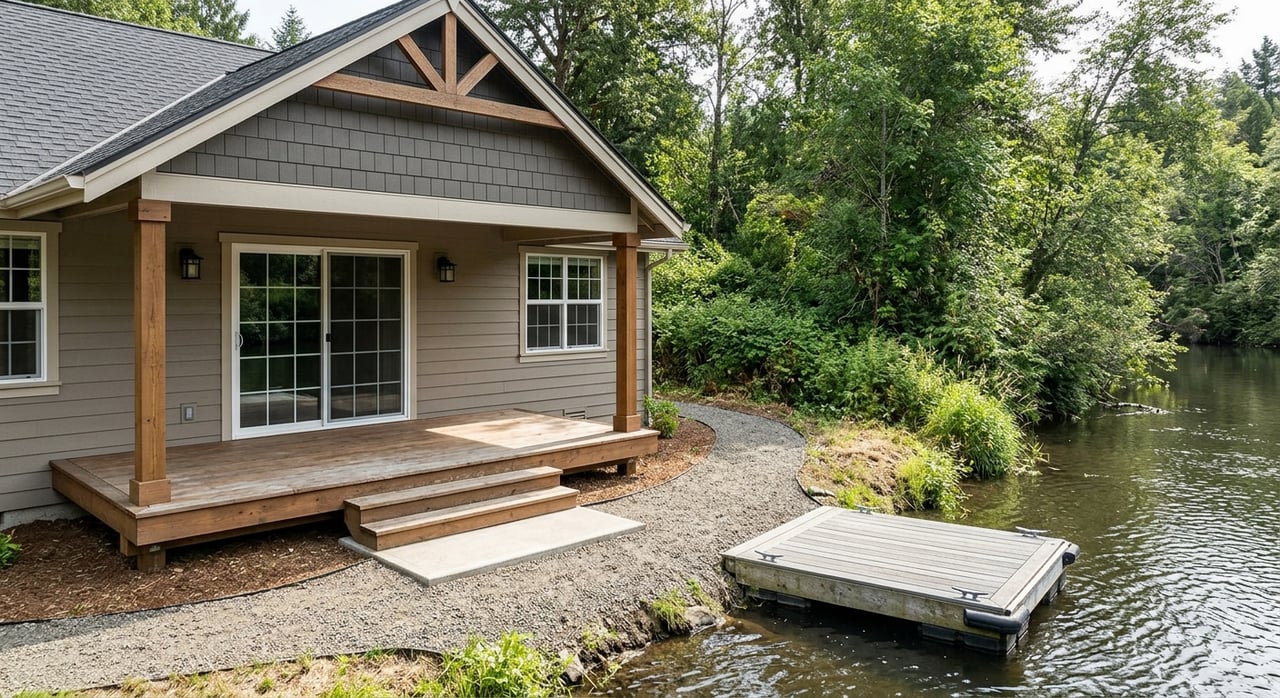
Richland describes itself as a full-service city and highlights its location between the Yakima and Columbia rivers. The city also points to its riverfront setting, Downtown Parkway and Uptown areas, and a large park and trail system as major parts of daily life.
If you like the idea of having more activity concentrated in one place, Richland may stand out. City information highlights the Riverfront Trail, the Urban Greenbelt Trail, Howard Amon Park, and more than 60 parks.
That mix can appeal to buyers who want outdoor access along with a more established city setting. You may find it easier to picture a lifestyle that blends parks, errands, community spaces, and riverfront recreation into your normal routine.
Lifestyle in West Richland
West Richland’s official identity leans into open living space, quiet surroundings, and a more relaxed lifestyle. The city highlights an integrated park system, trails for walking, jogging, and cycling, and recurring community events.
West Richland reports 14 developed parks, along with neighborhood parks and connections to local trail use. The city also ties part of its identity to the Yakima River Gateway and the Red Mountain AVA.
For many buyers, West Richland feels more residential in its layout. If you want a setting that feels less concentrated and more spread out, this may fit what you are looking for.
Commute and Road Access
Commute patterns can shape your daily quality of life just as much as the home itself. Census data shows Richland has a mean travel time to work of 20.4 minutes, while West Richland comes in at 24.5 minutes.
That does not mean every Richland commute is shorter or every West Richland commute is longer. It does suggest that, on average, West Richland may involve a little more driving time depending on where you work and which route you use most often.
Driving in Richland
Washington State Department of Transportation identifies SR 240 through Richland as a major commuter route in the Tri-Cities. It also notes congestion around the Bypass Highway and I-182 interchange, especially during morning and afternoon peak travel times.
I-182 also functions as a critical east-west commuter corridor that links homes and employment centers. If quick regional access matters to you, Richland’s position within that road network may be a meaningful advantage.
Driving in West Richland
West Richland’s roadway picture is shaped heavily by SR 224. WSDOT describes SR 224 as mainly a two-lane undivided highway that widens through West Richland, with signalized intersections at Bombing Range Road and SR 240.
For buyers, that means it is smart to look closely at how a specific neighborhood connects to your usual destinations. In West Richland, your experience may depend more on a few key arterial roads for work, shopping, and everyday errands.
Transit Access in Both Cities
Ben Franklin Transit serves both Richland and West Richland. That means public transit is available in each city, though convenience will still depend on how close a home is to stops, routes, or transit centers.
Housing Differences to Know
If you are comparing housing options, the numbers show some clear distinctions. West Richland has a higher owner-occupied housing rate than Richland, at 83.4% versus 64.4%.
West Richland also has a slightly higher median home value, at $448,300 compared with $436,700 in Richland. Median gross rent is also a bit higher in West Richland, at $1,590 compared with $1,468 in Richland.
Household patterns differ too. West Richland has a larger average household size at 2.98, while Richland is at 2.48, and West Richland also reports a higher median household income.
Taken together, those figures suggest West Richland leans more heavily toward owner-occupied homes and larger households. Richland appears to offer a broader mix of household sizes and housing situations.
Neighborhood and Zoning Patterns
Zoning does not tell you everything about a neighborhood, but it does help explain the overall housing feel. Richland’s zoning includes single-family, medium-density, multiple-family, low-density, high-density, waterfront, and multifamily-residential-office designations.
That variety points to a more established urban pattern with a wider mix of housing types. Buyers who want more variety in setting or housing style may appreciate that flexibility.
West Richland’s zoning includes low-density, medium-density, manufactured-home park, multifamily residential, downtown mixed use, urban transition, and planned unit development categories. This suggests a city pattern with more suburban-style development and growth areas still taking shape.
Schools and Boundary Planning
Both Richland and West Richland are served by Richland School District. The district says it serves about 13,700 students and provides attendance-area boundary maps so families can confirm the assigned school for a specific address.
If school assignment is part of your home search, it is important to verify the boundary for any property you are considering. Since both cities fall within the same district, your school options depend more on the address than on the city name alone.
Which City Fits Your Priorities?
When buyers compare Richland and West Richland, the best choice is usually the one that supports their daily routine. Price matters, of course, but so do commute comfort, neighborhood layout, and how you want your surroundings to feel.
Richland may fit you if you want:
- A more central city setting
- Shorter average commute times
- Riverfront parks and trail access
- Proximity to downtown-adjacent activity
- A broader mix of housing types
West Richland may fit you if you want:
- A more suburban feel
- More open-space character
- Higher owner-occupancy patterns
- Neighborhoods that feel more residential and spread out
- Access to parks, trails, and newer growth areas
Budget Is Only Part of the Decision
It is easy to assume one city is the obvious budget choice, but the current data does not support a huge gap either way. West Richland’s median home value is slightly higher, while Richland’s median gross rent is slightly lower.
For many buyers, the real question is not just what costs a little less. It is whether the home, location, commute, and neighborhood style match what you need for the next stage of life.
How to Tour Smart in Both Cities
If you are serious about comparing Richland and West Richland, try to evaluate each area the same way. Focus on the parts of daily life that will matter after the excitement of moving wears off.
Use this simple checklist when touring homes:
- Test the drive to work during your normal commute window
- Visit nearby parks, trails, and shopping areas
- Check transit access if that matters to your routine
- Review school boundary maps for the exact address
- Compare how the neighborhood feels at different times of day
- Think about whether you want a more central or more spread-out setting
A clear side-by-side comparison usually makes the right choice easier. Once you know your must-haves, the search becomes much more focused.
If you are weighing Richland against West Richland, local guidance can make the process a lot simpler. Lee Davidson can help you compare neighborhoods, commute patterns, and housing options so you can choose the right fit with confidence.
FAQs
What is the main difference between Richland and West Richland for homebuyers?
- Richland generally feels more central and activity-dense, while West Richland typically feels more suburban, open, and residential.
Is Richland or West Richland better for commuting in Tri-Cities?
- Census data shows Richland has a shorter mean travel time to work at 20.4 minutes compared with 24.5 minutes in West Richland.
Are home prices higher in Richland or West Richland?
- West Richland has a slightly higher median home value at $448,300, compared with $436,700 in Richland.
Do Richland and West Richland have the same school district?
- Yes. Both cities are served by Richland School District, and school assignment should be verified by property address using district boundary maps.
Is West Richland more suburban than Richland?
- Official city descriptions and housing patterns suggest West Richland has a more suburban and spread-out feel than Richland.
Does Richland offer more housing variety than West Richland?
- Richland’s zoning designations show a wider mix of housing types, including waterfront and higher-density categories, which suggests more variety in housing settings.